psychology
Self Confidence, Part 4 - Analyzing your self-image
07/14/09 by Felicitas Heyne |
Filed in: Self-Confidence
During the last time while on the subject of
self-confidence I proposed that you establish a
“Benevolent
Inner Observer” as the counterweight to
you “Inner Detractor” within yourself. It is
meant to help you treat yourself a little
more leniently and gently in your normal
every day life as well as in times of stress
and frustration, than you probably normally
would. Most people with low self-esteem are
very good at tearing themselves down and
calling themselves names because they are
not used at motivating and building
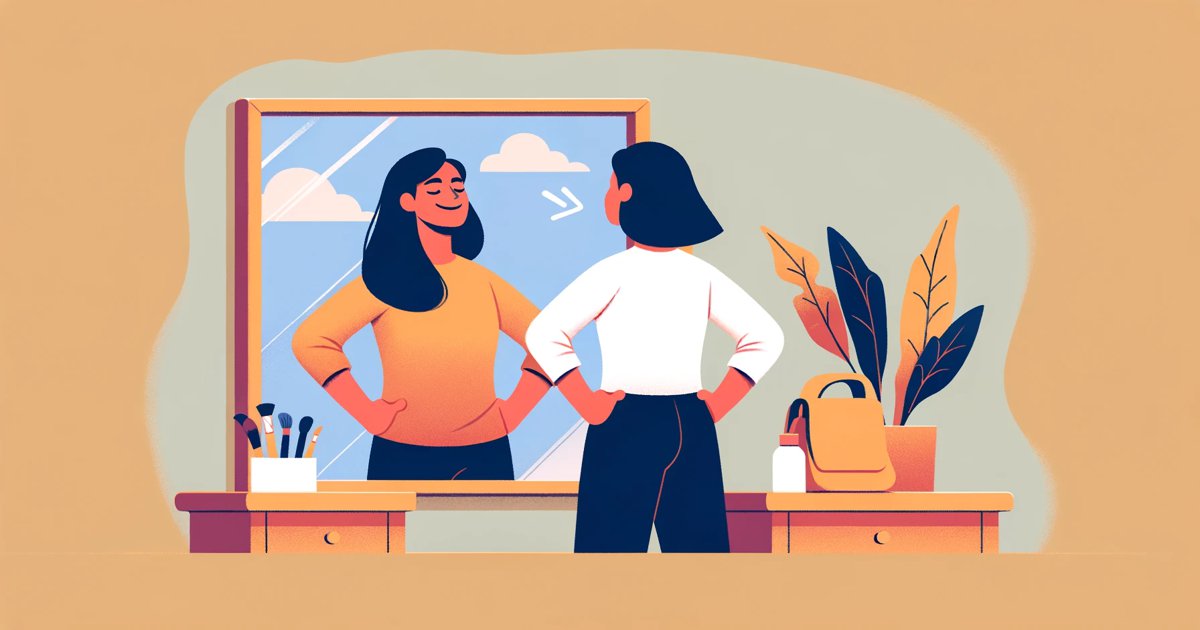
themselves up. Today I would like you to
take one step further and analyze your
entire self-image one more time. If I am not
totally off base with my assessment, you
have been lots more generous with the darker
colors while you simply ignored a lot of
brightness and beauty. Continue
...
Self Confidence, Part 3 - The Benevolent Inner Observer
07/02/09 by Felicitas Heyne |
Filed in: Self-Confidence
Today I am back to one of my favorite subjects on
this Blog: The subject of self-confidence.
Part 1 dealt with all sorts of reasons for a
lack of self confidence, while in
part 2 you already received your first tips
how you may be able to question a potential
innermost negative dialogue with yourself and how
you may be able to replace it with one that
should be more helpful. With this contribution I
would like to try and give you some support in
dealing a little more friendly with yourself in
every day life.
Experience shows that people with a reduced sense of self worth like to live according the motto: “Love your neighbor more than yourself!” Surely a socially acceptable mantra and for those around you obviously quite comfortable and agreeable! However not a particularly fertile soil for the growth of a sound self-confidence and innermost equilibrium – and if one is inclined to believe the bible, even God is less exacting in his demands of us and He probably knows why… Continue ...
Self-Confidence, Part 1 – learning to trust yourself
05/04/09 by Felicitas Heyne |
Filed in: Self-Confidence
During recent conversations with my clients I
frequently thought about how many of their
concerns and emotional hardships were rooted in
the concepts of self-confidence, self- respect,
feeling of self-worth – or rather the lack of it.
Whether you are the young man who is tired of
being single but has lost almost all hope because
he really can’t find anything worth loving in
himself. Or the woman in her best years whose
children are past the most difficult stages and
now nothing stands in the way of her return to
professional life – except her conviction that
she won’t be up to a work day and its demands. Or
the pretty girl in her mid twenties who has
postponed a vital operation for much too long
because the thought of a scar disfiguring her
otherwise perfect body is just too terrible to
contemplate. Somehow it’s always the same thing:
“I don’t like myself.” “I am not good enough the
way I am.” “I am useless unless I am perfect.” “I
am incompetent.”
Self-confidence, the feeling of self-worth, self-esteem – in the final essence they are all rooted in self-respect and the appreciation of the strengths and weaknesses making us the person we are. Those who have been fortunate were given a healthy portion of it during childhood: They had parents whose demands were neither too high (and thus asking too much) nor too low (and thus lacking stimulus for an optimal development). They may have received many positive impulses from home and other people, experienced lots of love, affection and interest and therefore developed the feeling of being liked by others regardless of their own achievements. If they were truly children of the sun they were even fortunate with their friends and fellow students – these days described as a peer group. They were accepted, became a part and were made to feel comfortable and appreciated. Usually this represents the “fertile soil” for a pretty solid feeling of self-worth, the sense that one is alright and going to somehow manage dealing with life’s demands - albeit sometimes a little more easily than at others, but satisfactorily, nevertheless. Then one takes minor adversities or negative experiences in stride; they don’t begin diminishing one as a person in one’s own eyes. Continue ...